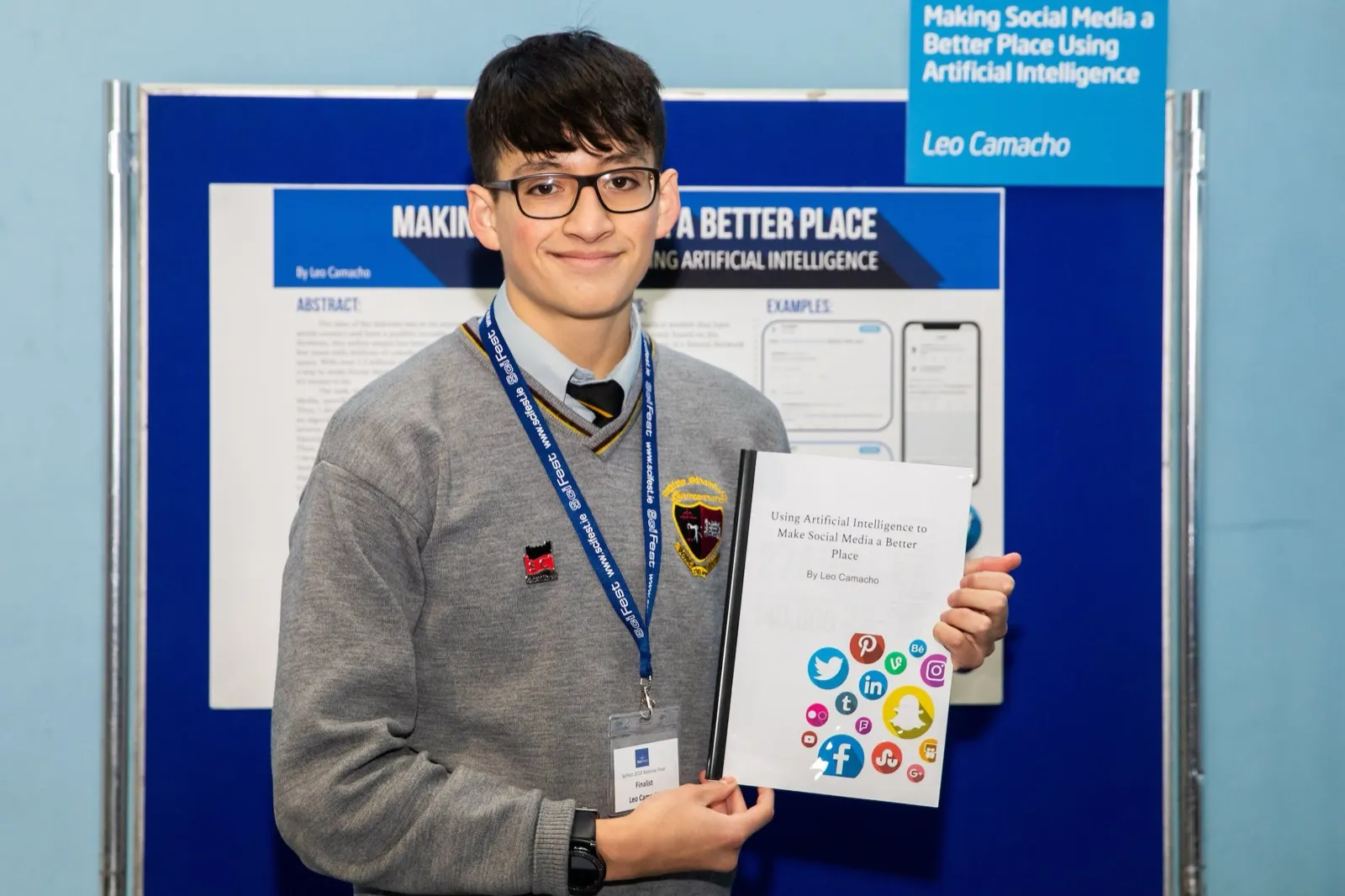
The best problems to work on are the ones that matter to real people. I figured that out at 14.
Age 14
first AI project
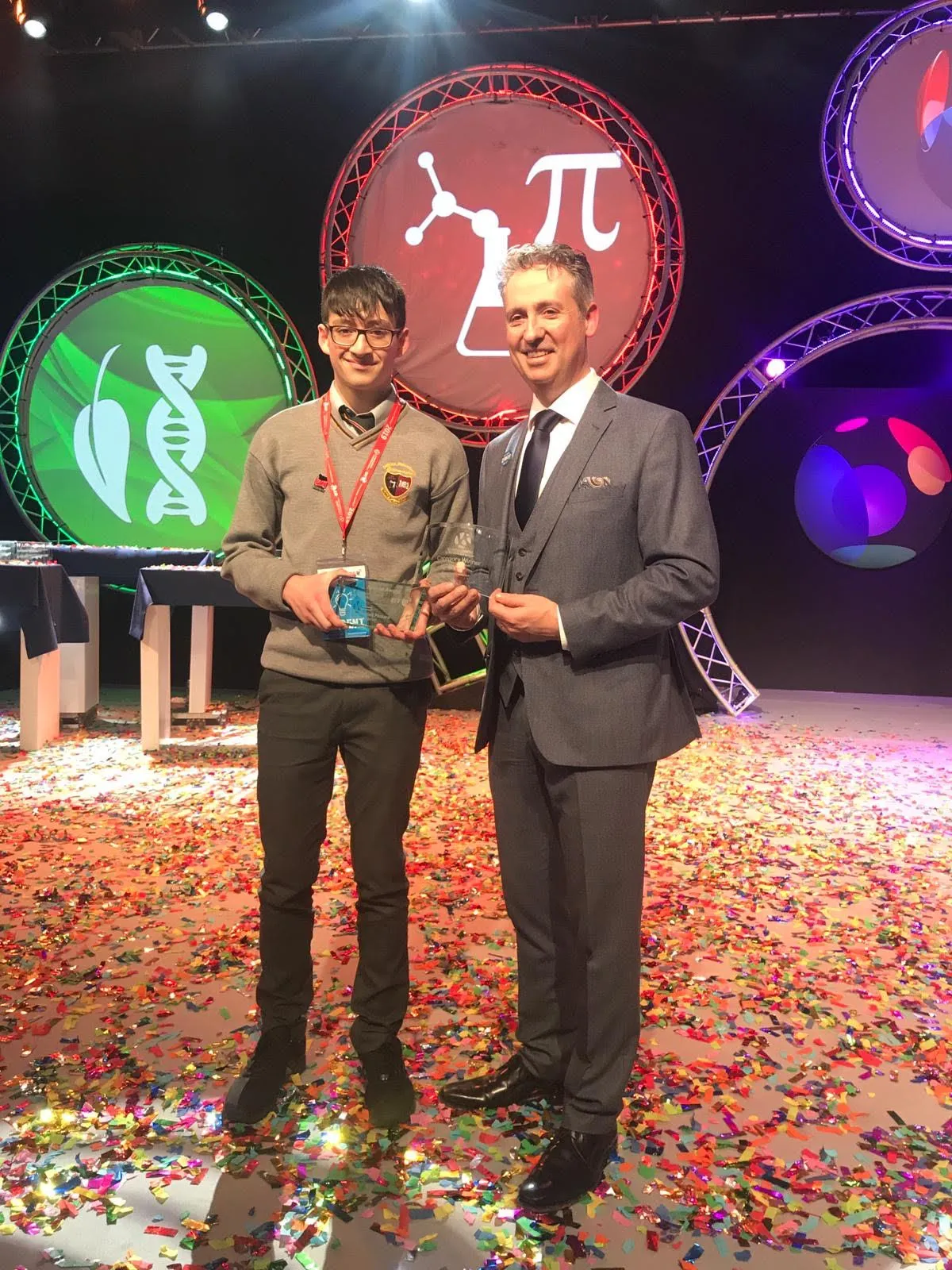
1st Place
best technology project
BTYS
national science fair
BT Young Scientist — Age 14
I learned about natural language processing through a YouTube video and thought: what if I could use this to detect cyberbullying? So I built a sentiment analysis bot in Python that integrated with Twitter's API, scanning tweets and automatically flagging messages it deemed harassing.
Along the way I learned about neural networks, one-hot encoding, data cleaning with Pandas, visualisation with Matplotlib, and TensorFlow — all at 14. The project was called “Making Social Media a Better Place, Using Artificial Intelligence”.
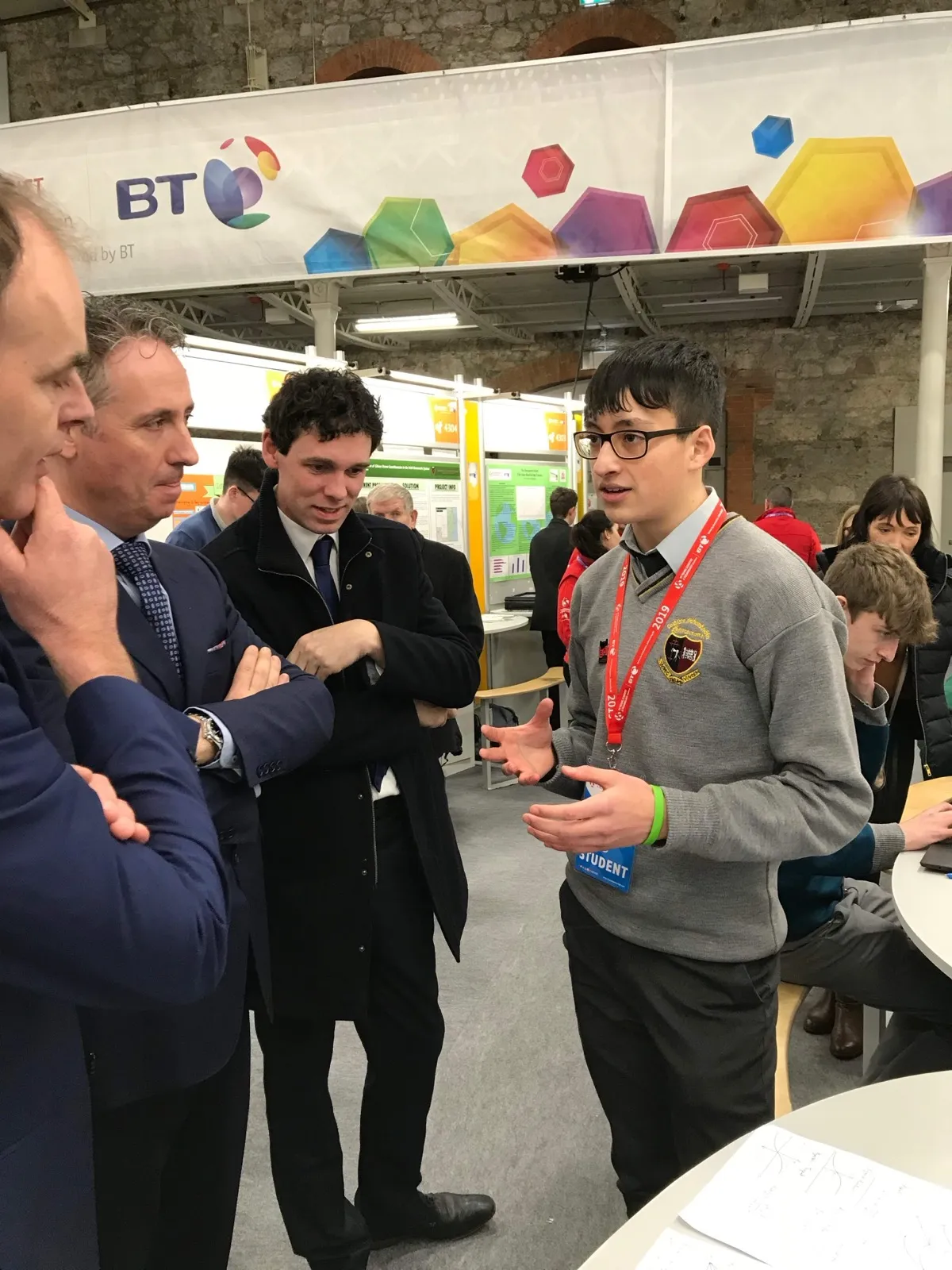
I entered it into SciFest, then the BT Young Scientist — Ireland's most prestigious national science fair — and won Best Technology Project by an Individual, awarded by Hewlett-Packard. I got featured on local news and it opened the door to my first internship.
NeuroCONCISE — Brain-Computer Interfaces
That summer I interned at NeuroCONCISE in Derry — a medtech startup building a wearable EEG for locked-in patients. Their device, FlexEEG, let patients who were previously unable to communicate interact with the world through a brain-computer interface connected to a carer's app.
It was my first real tech experience. I learned Git, Kanban, and what it meant to write software where the stakes weren't abstract — the people using it genuinely needed it to communicate.
These two experiences — the BTYS win and the NeuroCONCISE internship — are what started everything. They taught me that you can build meaningful technology at any age, and that the best problems to work on are the ones that matter to real people.